Mold cleaning support for a safer, drier property.
Request help for visible mold, recurring damp patches and moisture-related cleaning.
Describe the affected area, surface, moisture source and whether specialist remediation may be required.
Surface-level cleaning requests Moisture details and photos Specialist escalation when needed
Cleaning alone may not solve recurring mold
The source of moisture should be identified and corrected to reduce the chance of regrowth.
Mold cleaning explained
What is mold cleaning?
Mold cleaning focuses on visible mold growth and contaminated surface residue. The correct approach depends
on the affected material, size of the area, moisture source, ventilation, recurrence and whether the mold is
limited to a washable surface or extends into porous building materials.
In Groningen student housing, city apartments, family homes and managed rentals, visible mold often appears around windows, in bathrooms, behind furniture or in rooms with recurring condensation. Small surface areas may sometimes be handled by an appropriately equipped cleaning provider. Larger, hidden,
recurring or water-damage-related situations may require inspection, containment, material removal or specialist remediation.
Mold cleaning differs from deep cleaning. Deep cleaning targets household
buildup, while mold-related work may involve moisture control, protective equipment and specialist safety procedures.
Common situations
Where mold and moisture problems may appear.
The visible patch is only one part of the problem. The moisture source and affected material also matter.
Bathrooms and shower areas
Condensation, poor ventilation and persistent moisture may lead to recurring surface mold.
Windows and cold walls
Condensation can collect around frames, corners and poorly insulated surfaces.
Leaks and water damage
Roof, plumbing or appliance leaks can affect walls, ceilings, floors and concealed materials.
Storage and low-airflow areas
Closed rooms, wardrobes, storage spaces and rooms with limited airflow may trap moisture. In Groningen rentals and modern apartments, furniture placed tightly against colder external walls can also contribute to condensation and visible growth.
Rental and managed properties
Landlords and property managers may need cleaning, documentation and moisture-related repair coordination.
Ventilation-related problems
Poor extraction, blocked vents or insufficient airflow can contribute to condensation and recurrence.
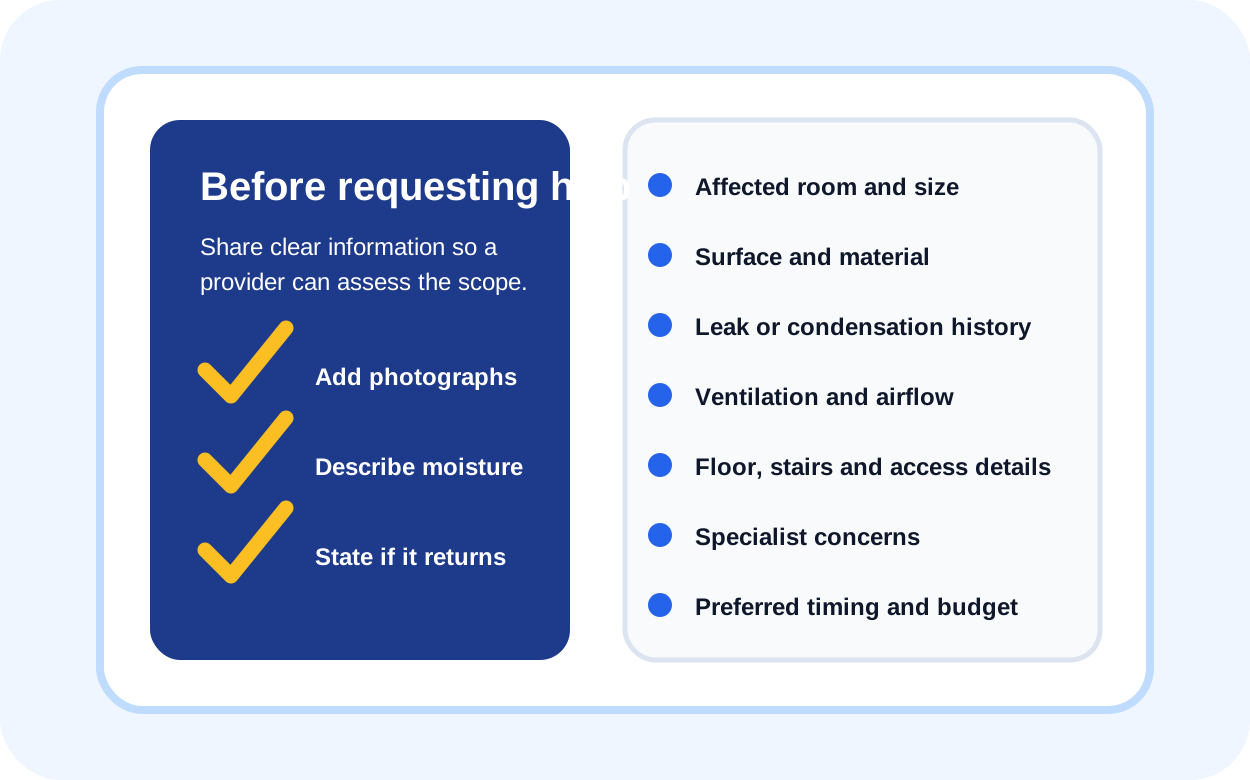
Describe the job clearly
What should be included in a mold cleaning request?
Clear information helps providers decide whether the work fits normal cleaning or needs specialist remediation.
Affected area and surface
Approximate width and height of the visible area
Room and exact location
Surface type: tile, paint, plaster, wood or fabric
Whether the material feels soft, damaged or wet
Whether mold is visible in more than one room
Clear, well-lit photos where possible
Moisture and recurrence
Known leaks, flooding or plumbing problems
Condensation on windows or walls
How long the issue has been present
Whether it returns after cleaning
Ventilation, extraction and heating conditions
Any recent construction or water damage
Safety and access
Whether the space can be ventilated
Whether furniture or belongings block access
Any fragile or porous nearby materials
Children, pets or vulnerable occupants in the property
Access to electricity, water and waste disposal
Any known hazardous-material concerns
Specialist requirements
Whether testing or inspection has already occurred
Whether containment may be needed
Whether damaged material may require removal
Whether HVAC or concealed spaces are involved
Insurance, landlord or property-manager requirements
Target completion date and budget
Important:
large, hidden, recurring or hazardous mold situations should not be treated as ordinary cleaning.
Work involving extensive water damage, sewage, contaminated HVAC systems, porous building materials,
structural damage or suspected hazardous substances may require qualified remediation specialists.
When specialist help may be needed
Some mold situations go beyond surface cleaning.
Providers should assess the scope before confirming ordinary cleaning methods.
Large or widespread growth
Extensive mold across walls, ceilings or several rooms may need containment and remediation planning.
Porous or damaged materials
Drywall, insulation, ceiling tiles and soft materials may need removal or replacement.
Flooding or contaminated water
Water damage involving sewage or contaminated water requires specialist handling and safety controls.
Mold cleaning by location
Find mold and moisture-related services in your city.
Publish each local page with original information about housing types, moisture patterns, service scope and specialist limitations before adding it to your sitemap.
Use these answers to decide whether your request fits surface cleaning or specialist remediation.
Providers may offer cleaning for limited visible surface mold in bathrooms, around windows, on washable walls and in other suitable areas. Larger, recurring, hidden or widespread growth may require a specialist assessment or remediation company.
Pricing depends on the size of the affected area, surface type, access, moisture source, protective equipment, containment needs and whether specialist remediation is required.
Some appropriately equipped providers may handle small surface-level areas after the moisture source is controlled. Extensive, recurring, hidden or hazardous situations should be reviewed by a qualified specialist.
Mold often returns when leaks, condensation, poor ventilation, damp materials or cold surfaces remain unresolved. Cleaning should be combined with correcting the moisture problem.
Yes. Describe the affected room, shared areas, walls, ceiling, grout, window frames or other surfaces, and mention whether the issue returns after cleaning.
Some providers may clean limited visible growth around suitable window frames and washable surfaces. Recurring condensation, damaged seals or moisture entering the structure should also be investigated.
Requests may be submitted across Binnenstad, Oosterparkwijk, Korrewegwijk, De Hoogte, Helpman, Coendersborg, Vinkhuizen, Paddepoel, Selwerd, Lewenborg, Beijum, Hoornse Meer, Corpus den Hoorn, Zernike Campus and surrounding neighbourhoods.
Specialist help may be appropriate when mold covers a large area, follows flooding or sewage, is inside walls or ventilation systems, affects porous materials, repeatedly returns or creates health and safety concerns.
Not necessarily. Cleaning addresses visible contamination on suitable surfaces. Leaks, ventilation problems, building defects and persistent damp conditions may require separate repair or specialist work.
Enter the Groningen address, affected rooms, approximate size, surface type, moisture history and access details. Add clear photographs where possible and submit the request for suitable providers to review.
Ready to request mold cleaning?
Tell providers about the affected area, surface, moisture source, recurrence and specialist concerns.
LocalBes is a marketplace connecting customers with independent providers. Qualifications, inspection,
safety procedures, remediation methods, insurance, scope, final price and service terms should be confirmed
directly with the selected provider. This page does not provide medical or environmental testing advice.
What would you like to receive?
Pick only what interests you. This takes less than a minute.